


 Back to Blogs
Signs It Might Be Time for a New Roof
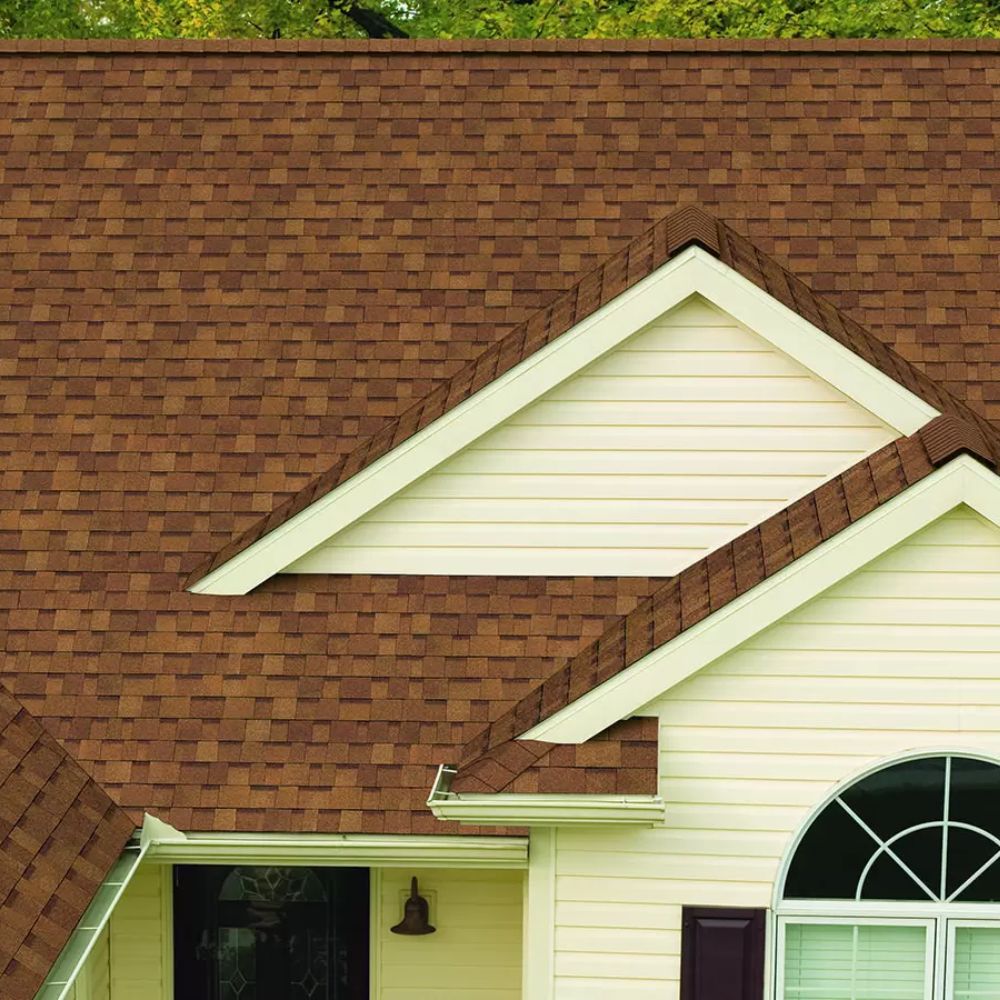
You’re cleaning the gutters and notice a layer of dark, sandy grit collecting at the bottom, more than you remember seeing last year. Or maybe it’s a brown ring spreading across a bedroom ceiling after a heavy rain. Either way, your house is trying to tell you something, and recognizing the real signs you need a new roof before they turn into water damage inside your home can save you a lot more than a shingle repair would.
Here’s what to actually look for, and what it means when you find it.
How Long a Roof Should Actually Hold Up
Most asphalt shingle roofs last somewhere between 20 and 25 years. If your roof was installed over an existing layer of shingles rather than torn down to the deck, that number can run shorter, closer to 20 years. If you don’t know your roof’s exact age, check old home inspection paperwork or ask a roofer to estimate it during an inspection. Age alone doesn’t mean instant failure, but it’s the number that should make you start paying closer attention to everything else on this list.
What Your Shingles Are Telling You
Walk your yard and actually look up at your roofline. Shingles curling at the edges, cupping in the middle, or cracking outright are showing their age in real time. Curling exposes the underlayment underneath to sun and moisture it was never meant to handle. Missing shingles, or finding pieces of them in the yard after a windy day, means the roof’s protection has real gaps, not just cosmetic wear.
Check What’s Collecting in Your Gutters

Asphalt shingles are coated in granules, the sandpaper-textured grit that shields the material underneath from UV damage. A few granules washing off is normal, especially on a newer roof. But a steady buildup in your gutters every time you clean them means the shingles are losing their protective layer faster than they should, and what’s left underneath is more vulnerable to sun and weather with each passing month.
Signs That Live Inside the House
Not every warning sign shows up on the roof itself. Water stains on a ceiling or upper wall, a musty smell in an attic, or insulation that’s gone damp and flat instead of staying fluffy are all signs that water has already found its way past the shingles. A sagging section of roofline, especially near the ridge or in the middle of a slope, points to a structural problem underneath, not just surface wear, and it needs attention right away.
The Sign Most Homeowners Miss
Everyone watches for the obvious stuff: missing shingles, a visible leak, a sagging roofline. What gets overlooked is that by the time water shows up on your ceiling, it’s already been working on your roof deck and insulation for a while, unseen. A creeping rise in your energy bills, with no other explanation, can signal that your roof’s ventilation and insulation are failing before a leak becomes visible. Catching wear at the shingle-and-granule stage, rather than the ceiling-stain stage, keeps a roof project planned instead of emergency.
Why Roofs in the Tri-State Area Wear the Way They Do
Homes around Evansville deal with a real mix of conditions year-round: hot, humid summers that bake shingles from above, followed by winter cold snaps that stress materials from the other direction. That swing between extremes speeds up granule loss and shingle cracking, which is part of why regular roof inspections matter more here than in a climate with less seasonal swing.
What a Properly Built Roof System Looks Like
If you’re seeing several of these signs together, it’s worth looking at what actually goes into a full roof replacement rather than another round of patching. Window World of Evansville installs the Owens Corning Total Protection Roofing System, a complete system rather than shingles alone. Underlayment blocks water at the valleys, vents, chimneys, and other spots where it tends to collect. At the same time, attic ventilation components help manage heat and moisture that would otherwise contribute to shingle deterioration and mold.
The system includes TruDefinition Duration shingles with SureNail Technology for wind resistance, along with Oakridge laminated shingles for a more traditional look. Both come backed by a limited lifetime warranty, with restrictions that apply, so ask your Design Consultant for complete details. View the full lineup of roofing options and available shingle colors before deciding what fits your home.
If you’re noticing curling shingles, granules in the gutter, or a stain that wasn’t there last season, don’t wait for it to get worse. Get a Free Quote, and a Design Consultant can take a look and walk you through your options.
Frequently Asked Questions
-
A few isolated missing or damaged shingles can often be repaired, but widespread curling, granule loss, or leaks usually point to full replacement.
-
Waiting for a visible leak means water has likely already reached the roof deck or insulation, so it's worth acting on earlier signs.
-
Yes, most asphalt roofs reach the end of their expected lifespan around 20 to 25 years, even if damage isn’t obvious yet.
-
Granule loss happens naturally as shingles age and lose the protective coating that shields them from sun and weather.
-
Timelines vary by home size and roof complexity. Your Design Consultant can give you a project-specific estimate during your Free Quote.