


 Back to Blogs
Exterior Window Trim Options: What Are Your Choices?
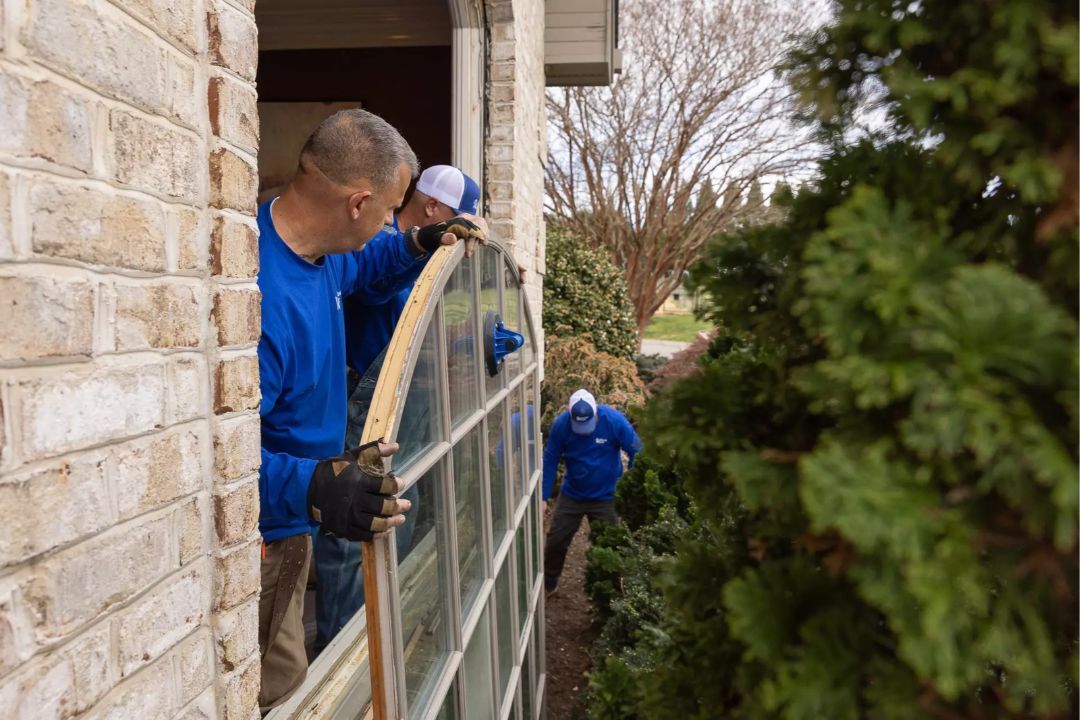
Once a new window is installed, the surrounding trim helps complete the exterior appearance. The right exterior window trim options can create a clean transition between the window and siding, define the opening's shape, and complement the home's architectural style. Material, color, width, and design all influence the final look, making trim an important detail in achieving a polished and cohesive exterior.
What Does Exterior Window Trim Do Besides Look Good?
Trim frames the window, covers the joint where the frame meets the wall, and gives siding a clean edge to finish against. Evansville’s humid summers and freezing winters put those joints through a lot, so the sealing and flashing details matter as much as the look.
Which Exterior Window Trim Options Do Homeowners Choose From?
Flat Casing
Flat casing uses plain flat boards around the opening. It gives a clean, modern look and suits farmhouse and contemporary exteriors.
Brickmould
Brickmould has a molded profile with a raised edge. It reads as a more detailed, traditional frame and works with colonial and classic styles.
J-Channel
J-channel is a channel that holds the cut edges of vinyl siding around a window. It is a low-profile finish that adds little width to the opening.
Sill Nose
Under the window sits a sill piece, often called a sill nose, that sheds water off the bottom of the opening. Its depth changes how heavy the base of the window looks.
How Wide Should Trim Be?
Manufacturers commonly offer trim widths from about 1 inch to 3 1/2 inches. Wider trim reads bolder and suits larger windows. Narrower trim keeps a smaller opening light and works when windows sit close together.
Judge the width against the wall, not the window alone. Trim that looks right on a sample board can look thin once it sits beside a large expanse of siding.
How Do Window Style and Placement Affect Trim?
Our window lineup includes double-hung, sliding, casement and awning, bay and bow, picture, garden, and basement hopper styles. Picture and bay windows act as focal points, so bolder trim can emphasize them.
Windows in a row do better with one consistent trim style across the front of the house. We recommend using a single profile on the front elevation and keeping any change for a deliberate accent.
How Does Trim Work With Vinyl Siding?
Trim and siding are one decision. If you replace siding, J-channel around the windows becomes part of the plan. If you choose flat casing or brickmould, the siding has to meet it cleanly.
We recommend deciding on both together. You can compare colors on our siding page before you settle on either.
What Do Window World Windows Offer on the Exterior?
Our vinyl windows have a vinyl finish that never needs painting. Our double-hung windows list exterior frame colors that include White, Almond, Beige, Clay, Tan, Black, and Bronze.
Our product pages list frame colors but not trim profiles. Ask your Design Consultant which trim and finishing options are available for your windows and your location.
Maintenance deserves a question too. Because the windows themselves never need painting, ask how the trim you choose is finished and how it should be cleaned, so your upkeep stays as light as the windows promise.
Which Trim Fits Your Home Best?
These are our recommendations, not rules.
- Modern and farmhouse homes: flat casing keeps lines clean.
- Colonial and traditional homes: brickmould adds detail.
- New siding with a clean finish: J-channel keeps the opening simple.
Match trim to the frame color when you want the window to blend in. Contrast it when you want the window to stand out as a frame for the view.
What Mistakes Should You Avoid?
- Choosing trim after ordering siding. The two meet at every window, so decide together.
- Skipping a side-by-side color check. White trim beside an almond or cream frame can look mismatched in daylight.
- Ignoring hidden damage. If rot or structural damage turns up behind old trim, a licensed contractor needs to address it before new windows go in.
- Treating installation as a weekend job. Fitting, flashing, and sealing are professional work, and our trained installers follow local building codes.
What Should You Bring to the Design Consultation?
A little preparation makes the trim conversation faster and more useful.
- Photos of every side of the house, with the street-facing windows marked.
- Your siding color, or the color you plan to choose.
- Any neighborhood association rules about exterior changes.
Then ask which trim profiles are available, how trim meets your siding, how it is finished, and how it should be cleaned. Those four answers cover most of the decision.
Ready to Choose Trim That Finishes the Look?
The best exterior window trim options are the ones chosen alongside your siding and window color, not after. Flat casing gives clean lines, brickmould adds tradition, and J-channel keeps things simple.
Window World of Evansville is America’s Exterior Remodeler, and we can talk through the details with you. Read What to Expect to see how our free in-home consultation works. Then request your Free In-Home Quote when you are ready.
Frequently Asked Questions
-
Flat casing is plain and modern. Brickmould has a molded, raised profile that reads as more traditional.
-
Vinyl siding typically ends at a window in J-channel or trim that does the same job. Your installer will confirm what your wall needs.
-
Many homeowners match trim to the window frame for a cleaner edge, or contrast it for definition. View samples side by side in daylight.
-
It can. Wider trim adds visual weight and makes an opening feel larger, while narrow trim keeps it light. Judge the width against the surrounding wall.
-
Plan trim beforehand. It affects how the opening is finished, flashed, and sealed, so decide with your Design Consultant first.