


 Back to Blogs
Vinyl Siding Profiles Explained: Which One Fits Your Home?
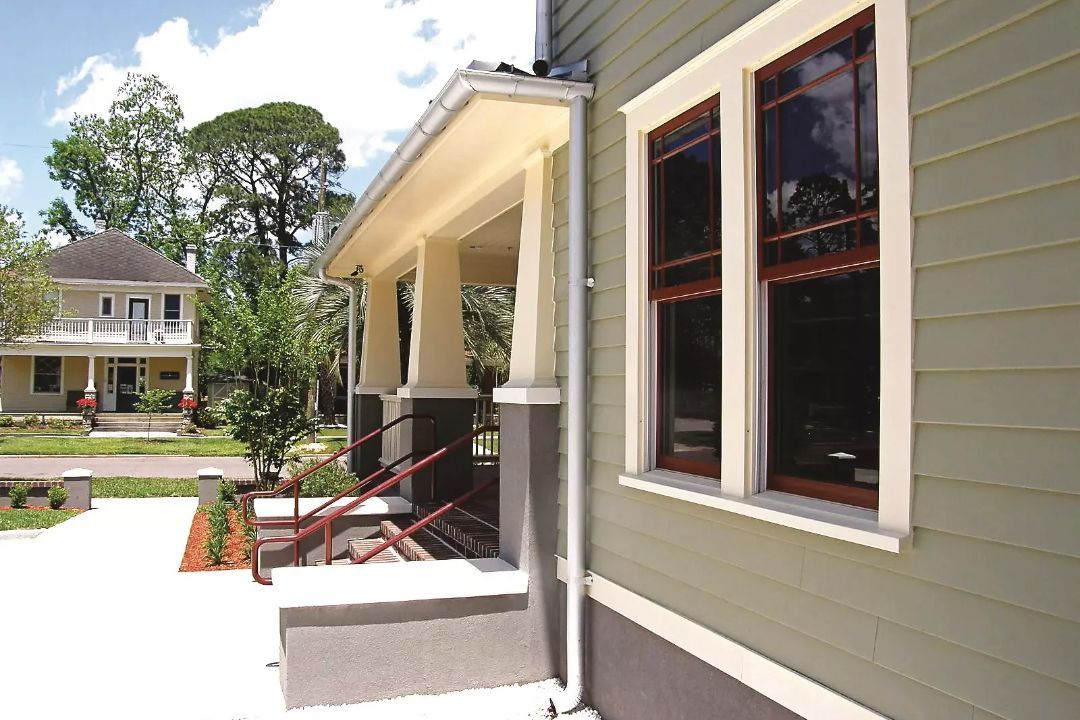
Two siding samples may have the same color but create completely different looks on your home. One may have a smooth, flat surface, while the other features deeper contours that create visible shadow lines. These design details define the overall profile, and choosing the right vinyl siding profiles can influence whether your home's exterior feels classic, casual, or contemporary.
Why Does Profile Change the Look More Than Color?
A siding profile is the shape and surface pattern of each panel. It controls shadow lines, panel height, and the direction the pattern runs, sideways or up and down.
Color is one decision. Profile decides if walls look crisp or soft, formal or casual. Two homes in the same gray can look very different because of it.
Which Vinyl Siding Profiles Do Homeowners Compare Most?
Industry guides, including the Vinyl Siding Institute’s, group profiles into horizontal, vertical, and specialty styles. These four come up most often.
Clapboard and Beaded Lap
Clapboard, also called traditional lap, is the classic horizontal look. Panels are described by course height, so a double 4 panel shows two courses that are each 4 inches tall. Narrower courses tend to look more formal, and wider courses feel more modern. Beaded lap adds a small rounded bead along the lower edge of each course.
Dutch Lap
Dutch lap cuts a decorative groove into the top of each course. That groove deepens the shadow line, so walls show more depth than plain clapboard. It is a common match for colonial and other traditional homes.
Board and Batten
Board and batten runs vertically. Wide boards sit side by side, and narrow strips called battens cover the seams. The look pulls the eye upward, which suits gables, porches, and farmhouse exteriors.
Shake and Shingle
Shake and shingle panels copy the texture of split cedar. They often work best as an accent in a gable or above a porch, paired with horizontal lap below.
How Do You Match a Profile to Your Home’s Style?
What follows is our recommendation, not a rule. Start with the architecture you already have.
- Colonial, Cape Cod, and traditional two-story homes usually pair well with clapboard or Dutch lap.
- Farmhouse and modern designs often suit board and batten, alone or mixed with horizontal lap.
- Craftsman and cottage styles can carry shake or shingle accents.
Course height matters as much as the profile name. A narrow course on a large two-story wall adds many more horizontal lines, which can make the house feel more detailed, while a wider course gives a calmer face.
Tri-State weather adds a practical angle. Humid summers, ice, and spring storms mean the product line matters as much as the profile you like.
What Mistakes Do Homeowners Make When Choosing a Profile?
The most common one is deciding from a small sample. A hand-sized piece cannot show how shadow lines repeat across a full wall, so ask to see a larger display or preview the look on a photo of your home.
Another is using one bold profile everywhere. Shake on every wall can overwhelm a smaller home, while the same texture in a single gable draws the eye to the right place.
The third is forgetting the parts around the panel. Corners, window trim, and accessories frame every profile, and they are easier to match when you plan them together with the siding.
What Do Window World Siding Lines Offer?
Window World of Evansville carries four vinyl siding series, each made in the USA. Each balances budget, style, and strength differently.
- The 1000 Series offers classic appearance and low maintenance, with 15 colors and a low-gloss cedar grain texture.
- The 1500 Series balances color choice and price, with 20 colors.
- The 2000 Series adds more style options, wood grain or smooth texture, and 24 colors.
- The 4000 Series is our premium line, described as our most durable vinyl siding, with 29 colors and optional contoured insulation.
Texture is part of the profile decision too. The 1000 and 1500 Series use a low-gloss cedar grain texture, and the 2000 and 4000 Series are available in wood grain. The 2000 Series also comes in smooth.
Our series pages list colors and features but not individual profile names, so ask your Design Consultant which profiles are available in each line.
What Should You Ask Before You Commit?
Colors on a screen can look different in person, so look at physical samples at our store in daylight. Then ask how your profile affects corners, window trim, and accessories. The 2000 Series, for example, offers matching accessories in various colors.
Our Visualizer helps too. It lets you preview products on your home, or an expert can prepare a photo preview for you.
Which Profile Fits Your Evansville Home Best?
Profile is the quiet decision that makes siding look intentional. Clapboard and Dutch lap give a traditional face, board and batten adds height and farmhouse character, and shake works best as an accent.
Window World of Evansville is America’s Exterior Remodeler, Locally Owned. Nationally Known. Start by trying looks on a photo of your home in our Design Center. Then get a Free Quote so a Design Consultant can talk through vinyl siding profiles and series options with you.
Frequently Asked Questions
-
Horizontal clapboard and Dutch lap are among the most popular choices, and board and batten has grown quickly in recent years, according to industry guides.
-
Yes. Many homes pair horizontal lap with shake or board-and-batten accents. Ask your Design Consultant how the transitions would be trimmed.
-
Profile is mainly about appearance. Series features and professional installation matter just as much for how siding handles Tri-State weather.
-
Yes. Our Visualizer lets you preview products on your home, and our team can prepare a photo preview for you.